Our Work
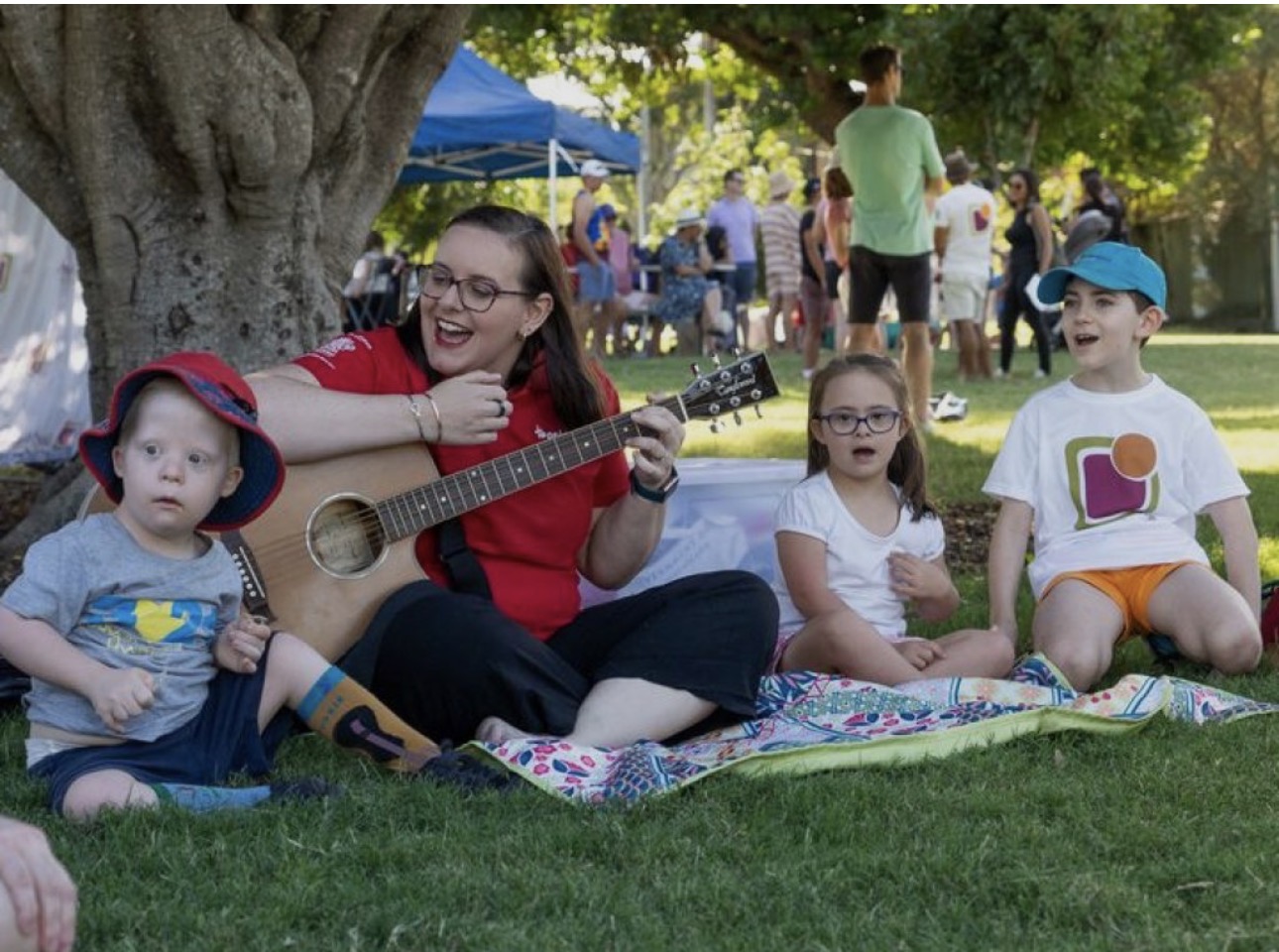
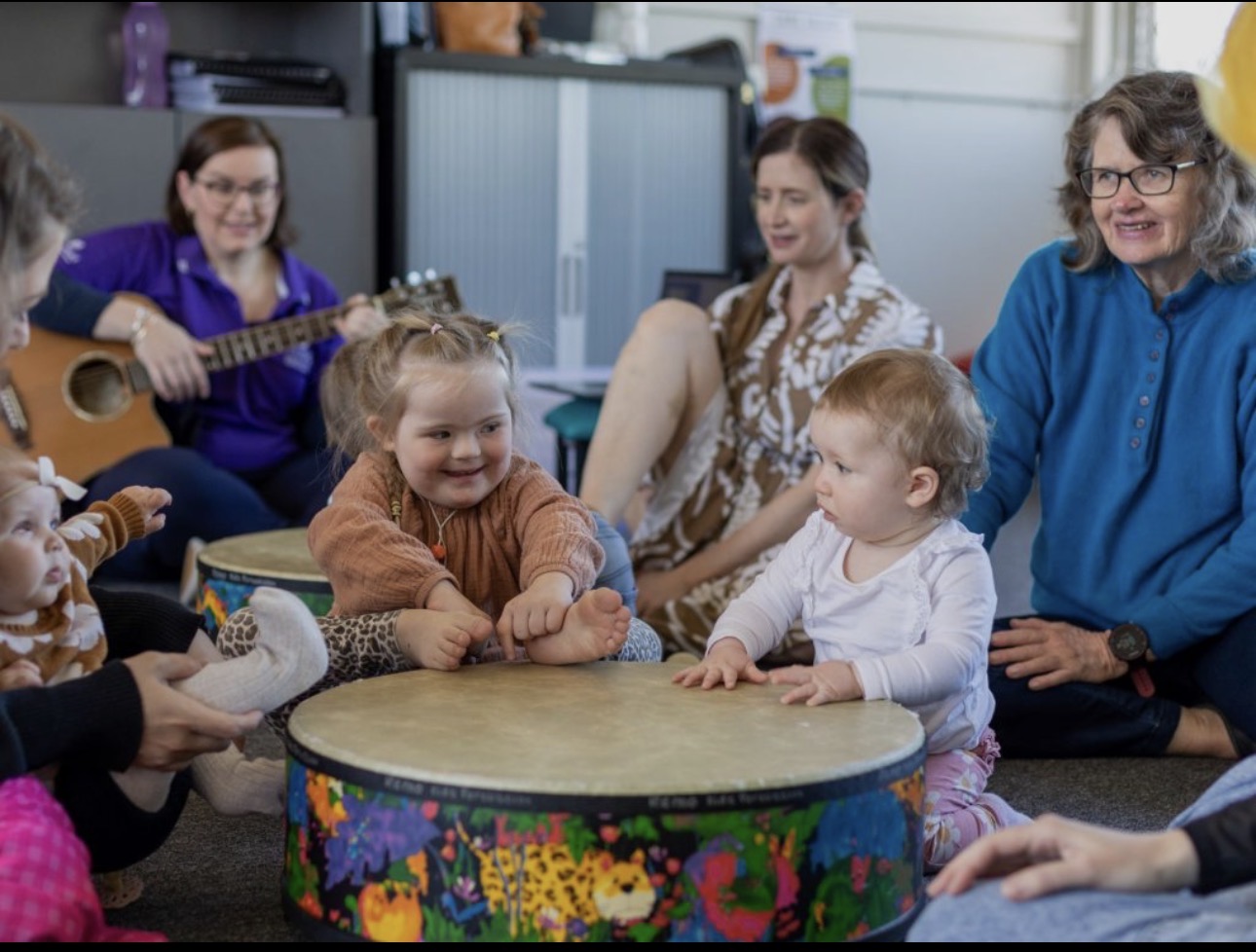
Music therapy is used with children and adults who have a variety of developmental, neurological, and medical needs. For individuals with autism and other developmental differences, it can support communication, social interaction, emotional regulation, and sensory processing, often through nonverbal or creative expression. Music therapy also builds on individual strengths, as many people show a natural responsiveness or affinity for music.

Music therapy uses sound, rhythm, and movement to support learning, emotional balance, and social engagement. Because music activates many areas of the brain at once, it can help create opportunities for connection, self-expression, and participation for children with diverse developmental needs.
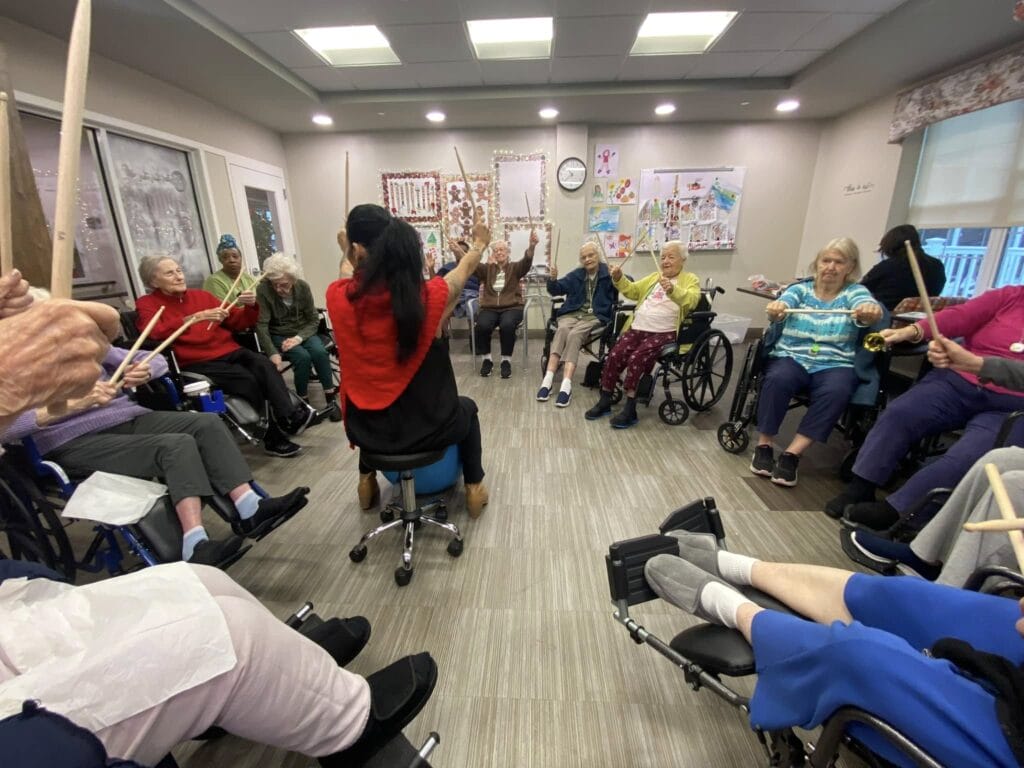
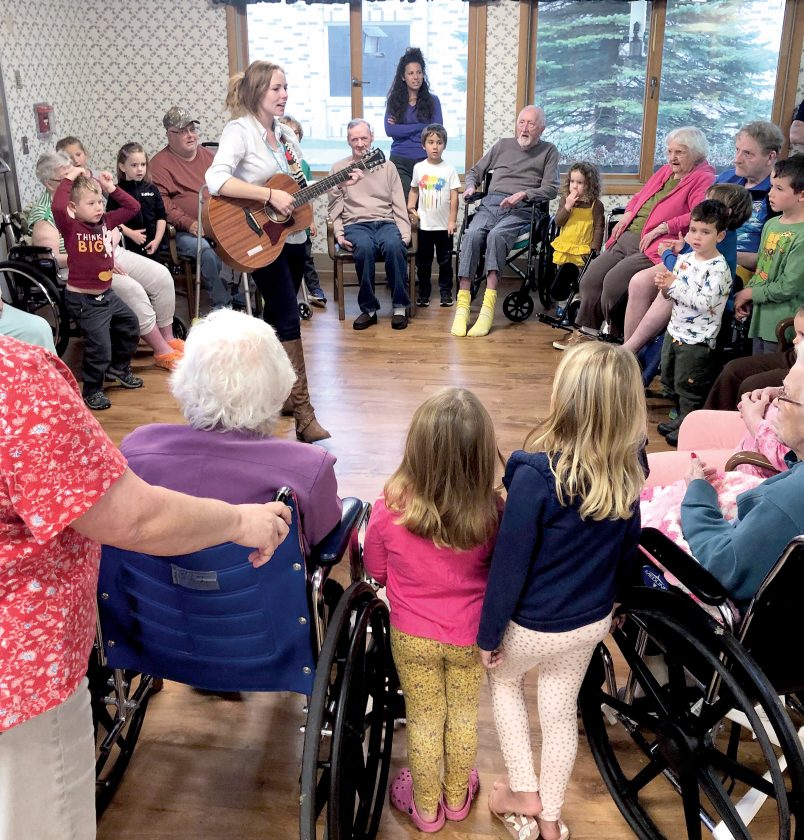
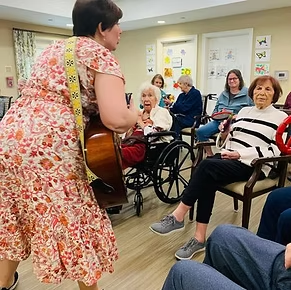
Engaging in music therapy allows older adults to actively participate, even if they have memory challenges. Research shows that familiar or meaningful music can influence mood, reduce agitation, and encourage emotional expression. Sessions like this help stimulate attention, coordination, and social interaction in a supportive and inclusive environment.
Research has shown that music therapy can enhance mood, increase alertness, and improve engagement for individuals with dementia, sometimes even reducing the need for medication.
Music therapy can also support individuals who have difficulty communicating verbally, whether due to cognitive or physical challenges, emotional distress, or mental health conditions.