
Research & Resources
Music & Memory
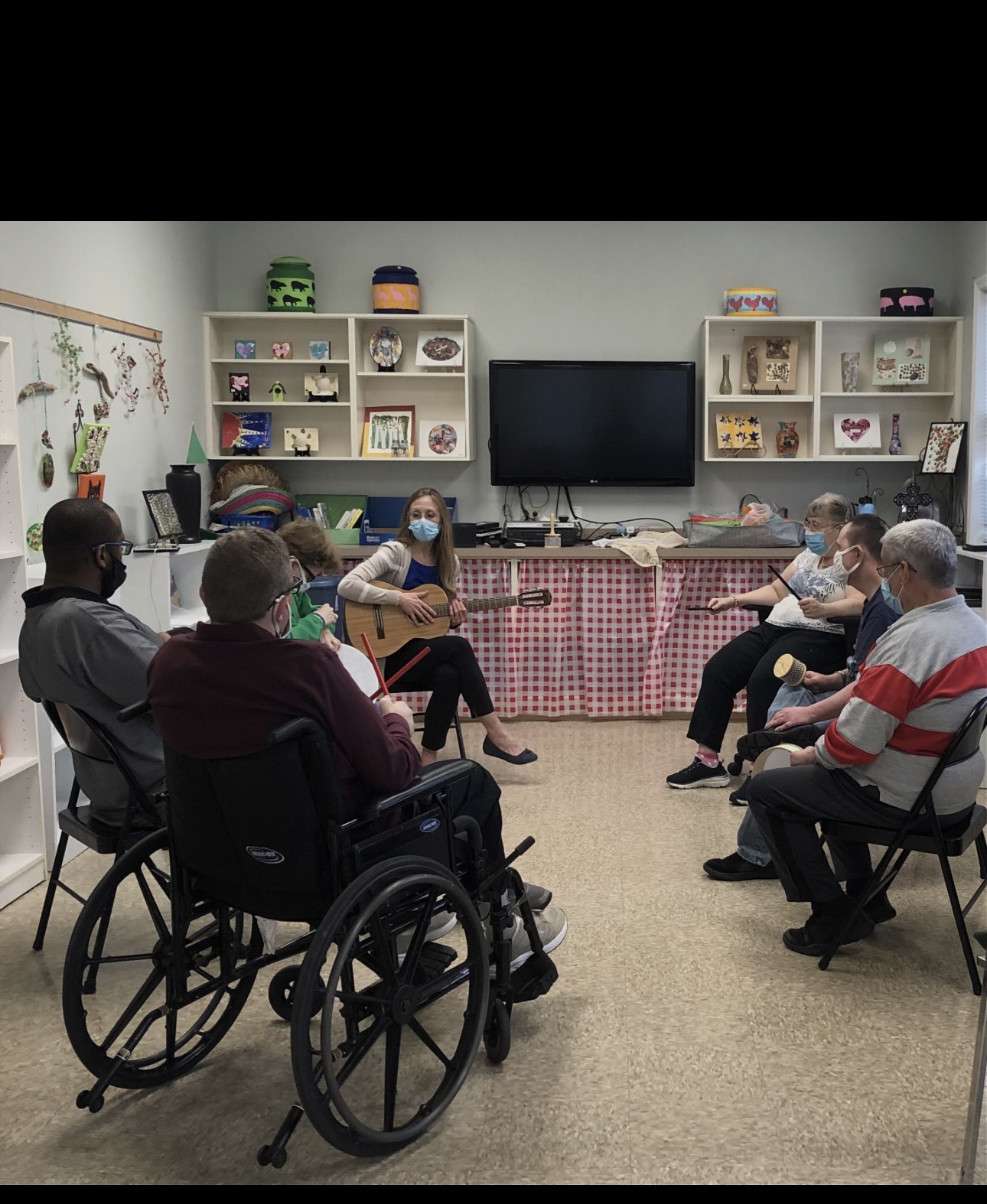
Music Therapy For People With Autism Spectrum Disorder
In the research conducted by Monika Geretsegger, Cochavit Elefant, Karin A. Mössler, and Christian Gold (2011), a comprehensive systematic review examined the effects of music therapy interventions for children with autism spectrum disorder (ASD).
The review analyzed controlled clinical studies involving children who received music therapy over periods ranging from one week to seven months. The findings indicated that music therapy was associated with improvements in core areas of ASD, including social interaction, verbal communication, initiating behavior, and social-emotional reciprocity. Positive effects were also observed in non-verbal communication within therapy sessions, social adaptation skills, emotional engagement, and parent–child relationship quality.
Across the reviewed studies, music therapy demonstrated greater benefits than standard care or placebo interventions in several social and communication outcomes. No adverse effects were reported. The authors noted that while results are promising, further research with larger sample sizes is needed to evaluate long-term and generalized outcomes. The study emphasizes that music therapy should be delivered by professionally trained and credentialed music therapists as a complementary therapeutic approach.
Music & Memory
Music Therapy and Dementia Care: Older Adults Living with Memory Disorders
- Improved mood and decreased depression
- Reduced anxiety and agitation
- Enhanced cognition, memory recall, and alertness
- Increased meaningful social interaction and communication
- Better sleep and appetite
- Reduced caregiver stress
Music therapy works by engaging the entire brain through both receptive (listening) and expressive (singing, movement, instrument playing) musical experiences. This stimulation can maximize existing cognitive function even in the later stages of dementia. Music therapists assess each individual’s preferences and abilities, create tailored treatment plans, implement music interventions, and continually evaluate their effectiveness.
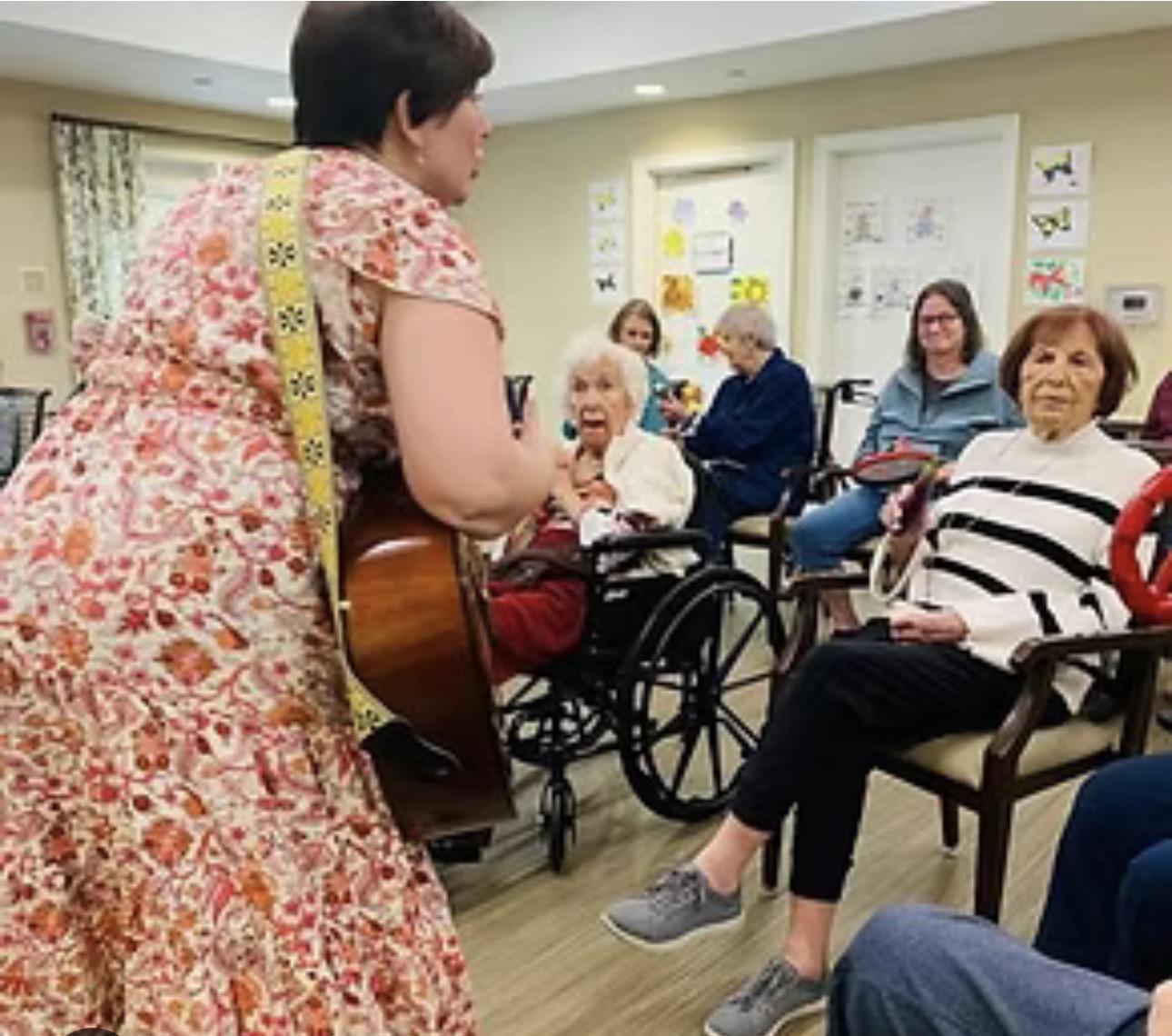
Music therapy provides structure, meaningful engagement, and opportunities for expression while promoting connections between the individual and their caregivers. AMTA emphasizes that music therapy should be delivered by trained professionals and integrated as a complementary intervention in clinical and supportive care settings.
Source / Credit:
American Music Therapy Association (AMTA), Music Therapy and Dementia Care: Older Adults Living with Memory Disorders, 2021. www.musictherapy.org
Your support helps us:
• Support research and innovation in music therapy